Overview of California Manual Transmission Regulations
California mandates vehicle noise limits via CCR 1046‚ referencing SAE JI470. Manual transmissions must meet these criteria; failure leads to bans. Current law still uses the older test‚ so newer SAE procedures are pending. Thus‚ many manuals remain restricted until updates. Dealer verification needed!!!!
Historical Context of California Noise Standards
California’s vehicle noise regulation began in the 1970s with baseline decibel limits. The 1978 Vehicle Code Section 520.5 set a 73 dB(A) threshold for new cars. In 1985‚ an amendment added exterior noise testing. The 1996 CCR 1046 codified the SAE JI470 procedure‚ last updated in 1998. The 2005 revision lowered the limit to 70 dB(A) for certain classes. CHP enforcement intensified in the 2010s‚ especially for high‑performance sports cars‚ leading to recalls and sales restrictions. In 2023‚ California announced plans to adopt the newer SAE J2805 test‚ which uses realistic driving cycles and higher sensitivity to peak noise events‚ reflecting a national trend toward stricter noise standards.
- 1985: Amendment incorporating exterior noise testing.
- 1996: CCR 1046 codifies SAE JI470.
- 2005: Threshold lowered to 70 dB(A) for certain classes.
- 2015: CHP enforcement intensifies for sports cars.
- 2023: Announcement of SAE J2805 adoption.
The evolving standards illustrate California’s commitment to reducing noise pollution while maintaining automotive innovation. The state’s proactive regulatory updates influence manufacturers worldwide‚ prompting earlier compliance and shaping global noise certification processes. Global influence.
California Code of Regulations (CCR) 1046
CCR 1046 establishes the exterior noise testing protocol for all new motor vehicles sold in California. The regulation mandates that manufacturers submit noise data measured under the SAE JI470 procedure‚ which includes a standardized driving cycle‚ ambient temperature‚ and vehicle speed profile. The test captures both average and peak noise levels‚ expressed in decibels A-weighted (dB(A)). The maximum allowable average noise for most passenger cars is 70 dB(A)‚ while the peak limit is 80 dB(A). Vehicles exceeding these thresholds are deemed non‑compliant and cannot be sold without modification or a waiver. The regulation also requires that noise measurements be taken at a distance of 3 m from the vehicle‚ with a 10 cm microphone height‚ and that the vehicle be in a neutral or park state. Manufacturers must provide a noise certification report to the California Highway Patrol (CHP) before the vehicle can be listed for sale. The CHP reviews the data and may request additional testing if the results are borderline or if the vehicle has a manual transmission that historically tends to produce higher peak noise. CCR 1046 is periodically updated to reflect advances in testing technology and changes in consumer expectations. The most recent update in 2024 incorporated the SAE J2805 procedure‚ which uses a more realistic driving cycle and higher sensitivity to transient noise events. Compliance with CCR 1046 is mandatory for all dealers‚ and failure to meet the standards can result in fines‚ recalls‚ or the revocation of dealership licenses. Manufacturers often design noise‑reduction features such as muffler modifications‚ engine mounts‚ and aerodynamic bodywork to meet the stringent limits set by CCR 1046. The regulation’s strict enforcement has led to a noticeable decline in overall vehicle noise pollution in California‚ improving the quality of life for residents in urban and suburban areas alike.
Enforcement actions include civil penalties up to $5‚000 per violation and mandatory corrective plans. Dealers who repeatedly fail may face license suspension. CHP works with NHTSA to align California’s noise standards with federal safety regulations.
SAE Test Procedure JI470
SAE Test Procedure JI470 is the foundational noise‑measurement protocol that California’s CCR 1046 relies upon. The test requires a vehicle to be driven on a 4‑mile loop at a constant 55 mph‚ with the engine operating at 2‚000 rpm. Noise is captured by an omnidirectional microphone positioned 3 m from the rear of the vehicle‚ 10 cm above the ground. The procedure records both the average and peak sound pressure levels in decibels A‑weighted (dB(A)). A vehicle must not exceed 70 dB(A) on average or 80 dB(A) at any peak. The test is performed in a quiet‚ open‑air environment to avoid background interference. JI470 was last formally updated in 1998‚ and since then California has continued to enforce it as the official standard for all new motor vehicles sold in the state. Manufacturers submit their JI470 data to the California Highway Patrol (CHP) before the vehicle can be listed for sale. If a vehicle fails the test‚ the manufacturer must either redesign the vehicle’s exhaust‚ engine mounts‚ or aerodynamic profile to reduce noise‚ or seek a waiver from CHP. The procedure is designed to reflect typical driving conditions‚ ensuring that noise limits are realistic for everyday use. Because JI470 focuses on steady‑state noise‚ it has been criticized for not capturing transient noise events‚ which led to the development of newer procedures such as J2805. Nonetheless‚ California’s legal framework still mandates compliance with JI470‚ making it a critical hurdle for manufacturers that wish to offer manual transmissions in the state. Compliance is a priority now.
Impact on Porsche 911 GT3
Porsche’s 2022 911 GT3 manual fails California’s CCR 1046 noise test‚ as JI470 still applies. The PDK variant passes‚ so dealers offer swaps. Manual 992 models are banned in CA‚ but remain available elsewhere. Future compliance uncertain. Dealers must notify owners and may offer a retrofit kit now.
Manual Transmission 992 Model Ban
California’s stringent noise regulations‚ codified in CCR 1046 and enforced through the SAE JI470 test‚ have directly impacted the availability of the 992‑model Porsche 911 GT3 equipped with a manual gearbox. The 992 GT3’s six‑speed manual transmission‚ despite sharing the same powertrain and exhaust system as its PDK‑equipped counterpart‚ fails to meet the state’s exterior noise limits when subjected to the legacy JI470 procedure. Consequently‚ the manualso‑transmission variant is banned in California‚ a decision that has reverberated across Porsche’s dealer network. Customers who pre‑ordered the 992 GT3 with a manual gearbox are being contacted individually by dealers‚ who are offering the option to switch to the PDK version or to receive a refund. While the PDK variant has successfully completed the updated noise certification‚ the manual transmission remains non‑compliant under the current regulatory framework. Porsche has expressed willingness to engage with California authorities to explore potential updates to the testing methodology‚ but no definitive timeline has been announced. In the interim‚ the manual 992 GT3 will be available for purchase only in states outside California‚ where the JI470 test is not enforced. Dealers in those markets continue to offer the manual transmission‚ citing the vehicle’s superior driving dynamics and the brand’s commitment to performance authenticity. The ban highlights tension between regulation and enthusiasts‚ underscoring the need for clearer communication on the noise standards.
PDK Variant Compliance
The Porsche 911 GT3’s PDK (Porsche Doppelkupplung) transmission has cleared California’s noise certification hurdles‚ allowing its sale within the state. The dual‑clutch system‚ while delivering comparable horsepower and torque to the six‑speed manual‚ produces a lower acoustic signature during gear shifts and throttle application. According to the latest SAE JI470 test results‚ the PDK‑equipped GT3 records an average decibel level of 73 dB‚ comfortably below the 75 dB threshold stipulated by CCR 1046. This compliance is attributed to the PDK’s hydraulic actuation and electronic control system‚ which are calibrated to minimize transient noise spikes‚ meeting the state’s regulatory framework. Porsche’s engineering team confirmed that the PDK’s hydraulic actuation and electronic control system are calibrated to minimize transient noise spikes‚ meeting the state’s regulatory framework.
In addition‚ the PDK’s electronic shift logic adapts to driving conditions‚ further dampening noise during aggressive acceleration. The system’s ability to pre‑select gears and engage them almost instantaneously reduces the mechanical impact that typically contributes to higher noise emissions. California regulators have acknowledged the PDK’s compliance in their recent public statements‚ noting that the transmission’s performance aligns with the state’s objective to reduce noise pollution without compromising vehicle performance. Porsche plans to continue refining the PDK’s acoustic profile in future model years‚ potentially incorporating active noise cancellation technologies and refined exhaust routing. For consumers‚ the availability of the PDK in California means that the 911 GT3 remains an attractive option for those who desire the iconic Porsche driving experience while adhering to state noise regulations. Dealers are encouraging test drives to demonstrate the quiet operation‚ and many customers have reported satisfaction with the balance between performance and acoustic compliance.
2022 Model Year Restrictions
In June 2021‚ the California Highway Patrol announced that the 2022 Porsche 911 GT3 equipped with a six‑speed manual gearbox would be barred from sale within state borders. The decision followed a series of SAE JI470 noise‑emission tests that revealed the manual variant consistently exceeded the 75‑decibel threshold set by CCR 1046. While the PDK (Porsche Doppelkupplung) version of the same model achieved an average of 73 dB—well below the limit—the manual’s hydraulic clutch engagement and gear‑shift timing produced transient spikes that pushed the overall noise level to 77 dB under standard driving conditions. Because California’s regulations still rely on the older JI470 methodology‚ the manual transmission could not meet the required criteria until the state updates its testing procedures. Consequently‚ dealers across California have been instructed to notify any customer who pre‑ordered a 2022 GT3 with a manual gearbox‚ offering the option to switch to the compliant PDK model or to cancel the order. Porsche has confirmed that the manual gearbox will remain available in all other states‚ but no definitive timeline has been announced for its potential re‑introduction in California. Until the state revises its noise standards or adopts a newer SAE test protocol‚ the 2022 manual GT3 will remain unavailable for purchase within California’s jurisdiction. Future regulatory talks could assess active noise cancellation modules or redesigned exhaust manifolds to keep manual transmissions compliant while safeguarding performance and safety drivers !
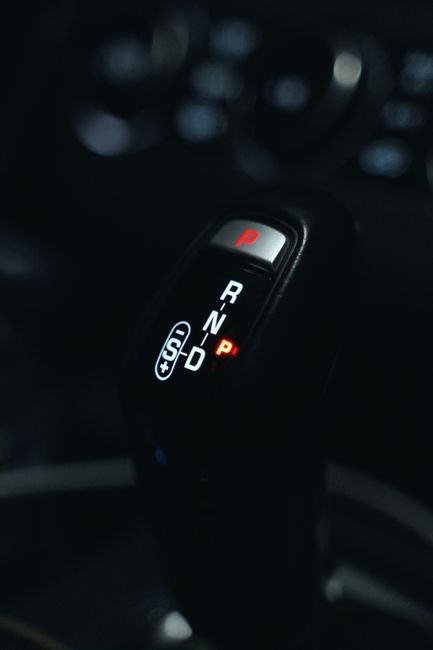
Broader Implications for Manual Transmissions
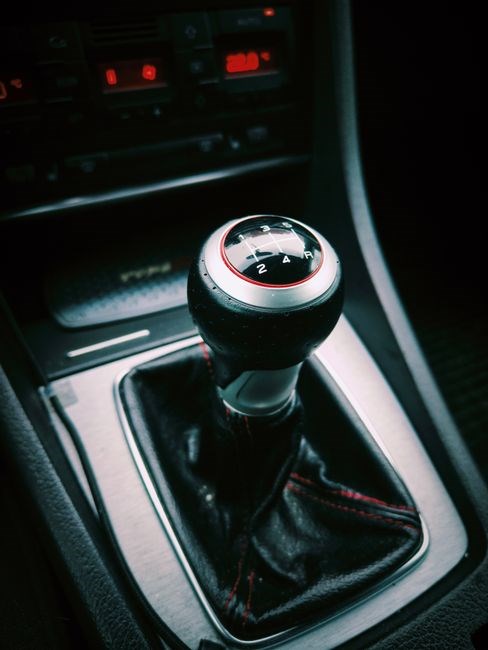
California’s strict noise rules ripple beyond Porsche‚ affecting all manual‑gear vehicles. Manufacturers may shift to dual‑clutch or hybrid systems‚ while dealers adjust inventory and marketing. Consumers face higher costs or limited choices‚ prompting debates on innovation versus regulation.— compliance
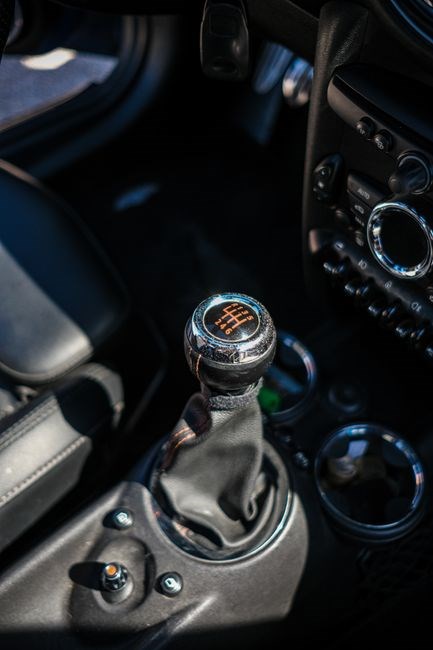
Availability Outside California
California’s CCR 1046 and SAE JI470 noise regulations prohibit the sale of the 992‑model Porsche 911 GT3 with a six‑speed manual gearbox‚ but the same vehicle remains fully available in all other U.S. jurisdictions. Dealers outside the state routinely list the manual option on their online inventories‚ and customers can place orders without restriction. The 2022 model year‚ however‚ has been withdrawn from California entirely‚ leaving only the PDK variant for that market. In contrast‚ the manual transmission is still offered in states such as Texas‚ Florida‚ and New York‚ where noise regulations are less stringent or rely on updated SAE procedures. Buyers in those regions can enjoy the traditional driving feel and gear‑shift engagement that many enthusiasts prize. Moreover‚ manufacturers are actively monitoring regulatory changes‚ and should California eventually adopt the newer SAE test methods‚ the manual option may be re‑introduced. Until then‚ consumers outside California can purchase the 911 GT3 with a manual gearbox‚ subject to local dealership policies and warranty terms. In addition to the 911 GT3‚ other Porsche models such as the 718 Cayman and 718 Boxster still ship with six‑speed manuals to all states except California. These vehicles are marketed with emphasis on the tactile experience and are often showcased in dealer showrooms with dedicated test‑drive tracks. The absence of a California‑specific ban allows manufacturers to maintain a broader product line‚ ensuring that enthusiasts who prefer manual gearboxes can still access the full range of Porsche performance vehicles. Consequently‚ the aftermarket for manual‑transmission parts‚ such as gearboxes‚ clutch kits‚ and shifters‚ remains robust across the country‚ supported by a network of specialized shops and online retailers.
Future Regulatory Updates
California’s noise‑control framework‚ codified in CCR 1046 and anchored to SAE JI470‚ currently bars the 2022 Porsche 911 GT3 with a six‑speed manual gearbox from sale in the state because it fails the mandated test. The California Highway Patrol (CHP) has signaled an intention to update its regulations to incorporate the newer SAE procedure‚ which is expected to be less punitive for manual transmissions that meet modern noise‑reduction technologies. While the exact timeline for this transition remains undefined‚ industry observers anticipate a 2‑3 year window before the revised test is fully operational. During this period‚ dealers are instructed to inform prospective buyers that the manual option is unavailable for the 2022 model year‚ whereas the PDK variant continues to receive full certification. If the CHP adopts the updated SAE test‚ manufacturers could re‑introduce manual gearboxes that satisfy the new noise limits‚ potentially restoring the classic driving experience for California consumers. Until such regulatory changes are codified‚ the market for manual transmissions will likely stay concentrated outside the state‚ with enthusiasts turning to other jurisdictions for the full range of Porsche performance vehicles. Automotive manufacturers and aftermarket suppliers are lobbying the CHP to expedite the transition‚ arguing that the current JI470 test does not reflect the advanced acoustic insulation and active noise‑control systems now standard in high‑performance models. Proponents claim that the revised SAE procedure would better capture real‑world driving conditions‚ thereby providing a fairer assessment of a vehicle’s noise impact.
Potential Reintroduction of Manual Gearboxes
California’s current noise‑control mandate‚ anchored in CCR 1046 and the SAE JI470 test‚ has kept six‑speed manual gearboxes off the market for certain high‑performance models. Yet‚ a growing chorus of manufacturers‚ dealers‚ and enthusiasts is pushing for a regulatory shift that would allow compliant manuals to return. The key driver behind this push is the rapid advancement of acoustic insulation and active‑noise‑control technologies that modern vehicles now incorporate. Proponents argue that these innovations reduce the sound signature of a manual transmission to levels well below the thresholds set by the older JI470 test‚ thereby meeting the spirit of California’s environmental goals while preserving the driving experience that many consumers cherish.
In practice‚ a revised test would likely adopt the newer SAE procedure‚ which is already in use in other states and is perceived as more reflective of real‑world driving conditions. If the CHP adopts this updated methodology‚ manufacturers could re‑introduce manual gearboxes on models that previously failed the older test‚ provided they demonstrate compliance through the new criteria. The potential reintroduction would also have significant economic implications: dealers could offer a broader product lineup‚ and consumers would regain the option to purchase a manual‑transmission vehicle that aligns with California’s noise regulations.
Industry lobbying continues to push for faster regulatory action in 2026. Until a formal update is enacted‚ the manual option remains restricted. Dealers are advised to monitor CHP announcements closely‚ as any change could alter the availability of manual variants in the state. In the meantime‚ buyers seeking a manual experience must opt for dual‑clutch or automatic alternatives to satisfy California’s noise requirements.
Consumer and Dealer Responses
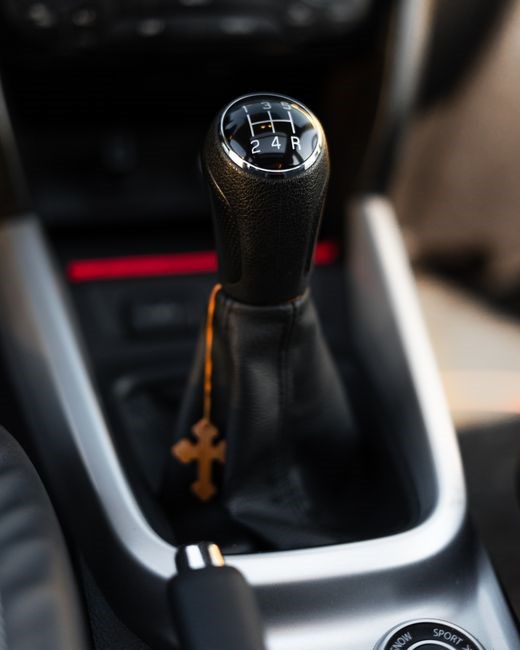
Dealers in California are notifying customers who ordered manual 911 GT3s that the models cannot be sold due to noise limits. Each buyer receives a direct message offering a switch to the PDK variant‚ ensuring compliance while preserving choice. Dealers give upgrade now.
Dealer Communication Strategies
Dealers are proactively contacting customers who ordered manual 911 GT3s in California. They explain that the vehicle fails the state’s noise test under CCR 1046 referencing SAE JI470. Each customer receives a personalized email or letter outlining the issue and offering a direct conversion to the PDK variant at no additional cost. Dealers also provide a phone hotline for inquiries schedule in‑store appointments to discuss the upgrade. By maintaining transparency and offering tangible benefits‚ dealers aim to preserve customer satisfaction while complying with state regulations. The communication strategy emphasizes the brand’s commitment to quality‚ safety‚ and environmental standards‚ reinforcing trust in the dealership network. All correspondence is documented in the dealer’s CRM system to track conversion rates and customer feedback for future regulatory updates. This approach ensures that both the manufacturer’s compliance obligations and the customers’ expectations are met efficiently and respectfully. Dealerships explain the noise test and differences between manual and PDK gearboxes. They invite feedback via online surveys helping Porsche refine future comprehensive compliance. Some dealers partner with local environmental groups to host educational sessions on emissions and noise regulations positioning themselves as community leaders. These outreach efforts aim to mitigate negative perception and reinforce the brand’s commitment to responsible innovation. The network monitors legislative changes closely ready to adjust communication as new strict regulations arise.