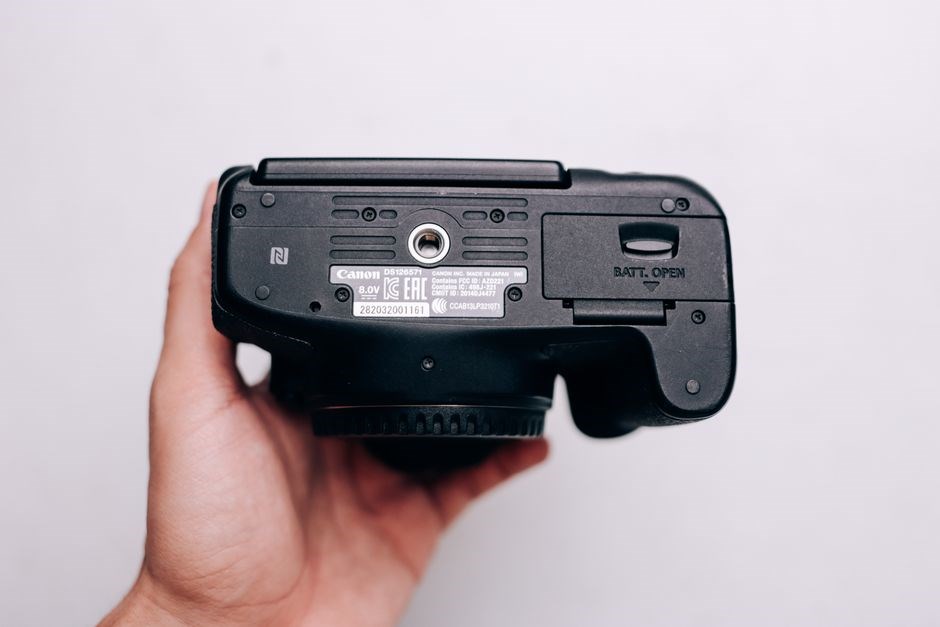
The Canon EOS 80D manual guides users through setup, menu navigation, and shooting techniques․ It covers power management, exposure controls, autofocus modes, and image formats․ The guide details firmware updates, lens compatibility, and troubleshooting steps․ Use? guide to master advanced settings․
Purpose and Audience
The Canon EOS 80D manual is designed to serve both novice photographers who are transitioning from point‑and‑shoot cameras and experienced users who want to delve deeper into the camera’s advanced features․ Its primary purpose is to provide clear, step‑by‑step instructions that enable readers to set up the camera, navigate the menu system, and understand the core shooting modes․ The manual also offers troubleshooting tips, maintenance recommendations, and guidance on firmware updates․ By presenting information in a logical sequence—from basic power‑on procedures to complex autofocus and exposure settings—the manual ensures that users can quickly become comfortable with the camera’s interface․ The audience includes hobbyists, semi‑professional photographers, and educators who use the 80D in classroom settings․ Additionally, the manual is useful for service technicians who need to reference specific settings or reset procedures․ The manual’s layout emphasizes visual aids, such as diagrams and screenshots, to complement textual explanations․ It also highlights safety precautions and warranty information, ensuring that users handle the camera responsibly․ Overall, the manual’s goal is to empower users to fully exploit the 80D’s capabilities while maintaining ease of use and reliability․ The manual’s design follows Canon’s standard format, featuring a consistent color scheme and iconography that aligns with other Canon DSLR manuals․ It includes a quick‑start guide, a comprehensive menu index, and a detailed section on image quality settings such as white balance, picture styles, and color space․ Readers will find concise explanations, illustrative diagrams, and practical examples that simplify complex concepts and accelerate learning․!!!!!!
Organization of the Manual
The manual is arranged in a logical flow that mirrors the typical workflow of an EOS 80D user․ It begins with a Quick‑Start Guide that covers power‑on, battery insertion, and initial setup․ Following this, a Hardware Overview section details the camera body, lens mount, and physical controls․ The core of the manual is divided into two main parts: Basic Functions and Advanced Features․ Each part contains subsections that explain menu navigation, exposure settings, autofocus modes, and image quality options․ A dedicated Firmware Updates chapter explains how to download and install new firmware, while a Maintenance section covers cleaning, storage, and battery care․ The manual concludes with Warranty and Support information, troubleshooting tips, and a comprehensive index for quick reference․ Throughout, the layout uses consistent icons, color coding, and step‑by‑step diagrams to aid comprehension․ The design follows Canon’s standard manual format, ensuring familiarity for users of other EOS models․ By structuring the content in this way, the manual allows readers to find information quickly and build confidence in using the camera’s full range of capabilities․ Additionally, the manual incorporates a troubleshooting matrix that cross‑references common error codes with recommended corrective actions, enabling users to diagnose and resolve issues rapidly without external assistance․ ISO compliance․!!
Hardware Overview
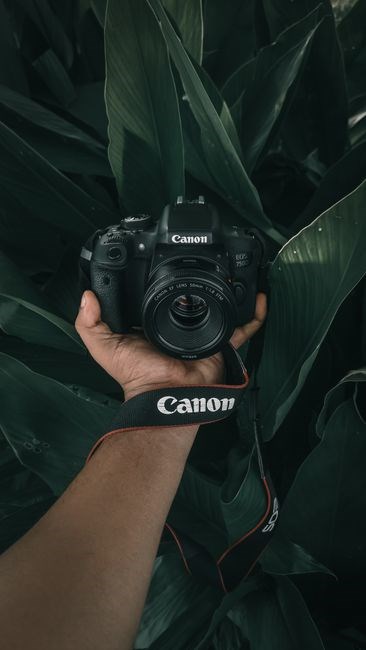
The Canon EOS 80D features a 24․2‑MP APS‑C sensor, 3‑inch LCD, dual‑card slots, and a robust body Its EF‑mount supports a wide lens range The camera weighs 1․6 lb, dimensions 4․1×5․5×3․1 in, and weather‑sealing for durability It also offers a 3‑inch touchscreen and dual‑card slots for outdoor use
Camera Body Dimensions and Weight
The Canon EOS 80D’s body balances portability and durability․ Its dimensions are 4․1 inches high, 5․5 inches wide, and 3․1 inches deep, giving a compact footprint that fits easily in a bag or hand․ Weighing about 1․6 pounds (720 g) without a lens, the camera feels substantial yet manageable for long shooting sessions․ The weight distribution reduces fatigue during handheld use, with a slightly heavier rear section that stabilizes the camera when mounted on a tripod or shoulder rig․ The ergonomic design includes a textured grip for a secure hold even in wet or sweaty conditions, and the shutter button is positioned for quick access during rapid shooting․ The 80D’s weight is comparable to other DSLR models, striking a middle ground between lightweight mirrorless systems and heavier DSLRs․ This balance lets photographers carry the 80D for days without discomfort, while benefiting from a build that can withstand occasional drops or rough handling․ The 1․6‑pound weight also ensures that internal components, such as autofocus motors and the image processor, receive support, reducing vibration and improving image stability․ Overall, the EOS 80D’s dimensions and weight make it an ideal choice for enthusiasts and photographers who need a reliable, portable, and well‑balanced DSLR for a variety of shooting scenarios․ Whether you’re shooting portraits, landscapes, or action, the 80D’s build and settings let you capture sharp images even in difficult lighting, making it a companion for daily use and projects․!
Lens Mount and Lens Compatibility
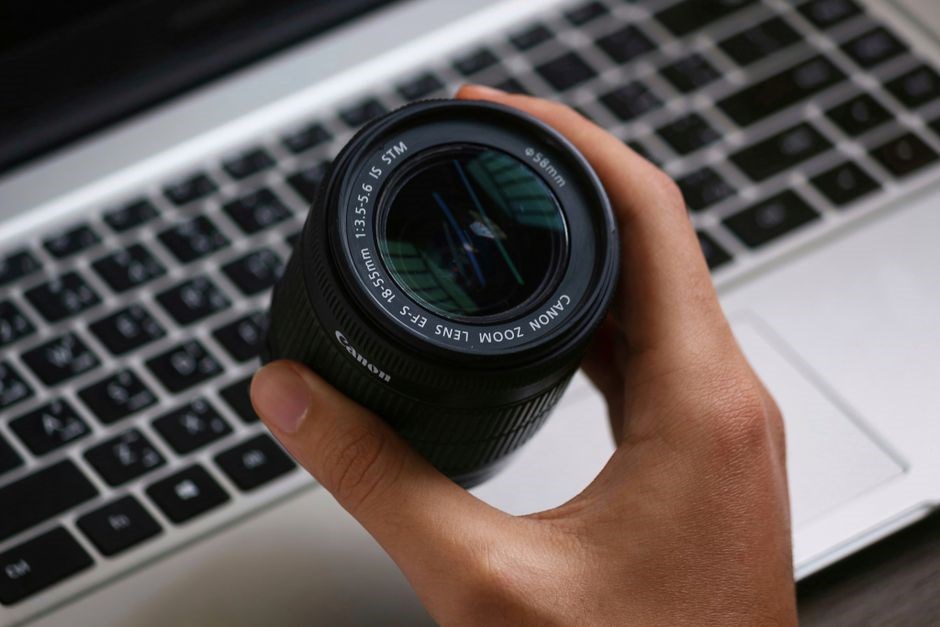
The Canon EOS 80D employs Canon’s EF‑mount, a versatile interface that supports a wide range of lenses from entry‑level kits to professional primes and telephoto zooms․ The mount’s 44‑mm flange distance accommodates both EF and EF‑S lenses, the latter designed for APS‑C sensors, ensuring full autofocus and aperture control on the 80D․ EF‑R lenses can be used via a simple adapter, allowing full‑frame lenses to be mounted on the APS‑C body․ The camera’s autofocus system, featuring 45 cross‑type AF points, works seamlessly with all EF and EF‑S lenses that support the camera’s motors․ Even lenses without built‑in motors can be used by enabling the motorized focus mode, though they focus slower and lack full‑time autofocus․ The 80D also supports Canon’s EF‑USM and EF‑SUSM lenses, providing fast, quiet autofocus ideal for video and live‑view shooting․ Third‑party lenses compatible with the EF mount can be used, provided they support electronic contacts for aperture control and autofocus․ Lens adapters such as the Canon EF‑to‑EF‑S or third‑party EF‑to‑EF‑S adapters allow photographers to expand their lens options without sacrificing performance․ The 80D’s mount is fully compatible with Canon’s lens‑hopping system, enabling quick lens changes during a shoot while maintaining focus and exposure settings across lenses․ With its robust mount, the 80D also supports quick lens changes during live‑action shoots, preserving autofocus accuracy and exposure consistency across varied focal lengths․!
Physical Controls and Buttons
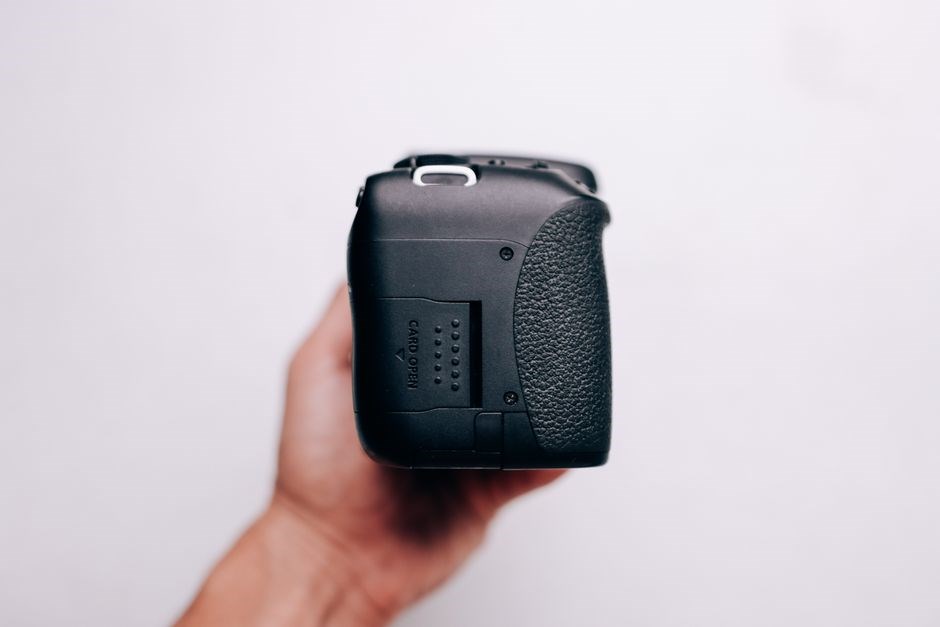
The Canon EOS 80D is engineered for intuitive handling, featuring a comprehensive array of tactile controls that streamline shooting workflows․ At the front, the power switch toggles the camera on or off, while the mode dial—located on the top plate—provides quick access to Auto, Program, Aperture Priority, Shutter Priority, Manual, and Creative Zone modes․ The shutter release button, situated on the right side, is split into two stages: the first half initiates autofocus and the second half triggers the shutter, allowing for precise focus confirmation before exposure․ Adjacent to the shutter is the AF point selector, a small dial that lets users cycle through the 45‑point autofocus grid or lock the current point for continuous tracking․ The camera’s grip houses the custom function (C․Fn) button, which can be programmed to execute a variety of tasks such as toggling live‑view, adjusting white balance, or enabling the self‑timer․ On the back, the menu button opens the on‑screen menu system, while the playback button cycles through captured images․ The directional pad and the multi‑function button (located near the viewfinder) provide fine‑grained navigation and quick‑access to settings like ISO, white balance, and exposure compensation․ The 80D also features a dedicated “Live‑View” button that switches the viewfinder to the sensor‑based live preview mode, and a “Movie” button that initiates video recording․ All controls are ergonomically placed to reduce hand fatigue and support rapid adjustments in dynamic shooting environments․
Operating the 80D: Basic Functions
The 80D’s basic functions include power control, mode selection, shutter release, autofocus, exposure settings, and menu navigation․ Users can quickly toggle between shooting modes, adjust ISO, shutter speed, and aperture, and access the live‑view for framing․ Use the menu for advanced settings․
Power On/Off and Startup Sequence
To power on the Canon EOS 80D, insert a fully charged battery and close the battery compartment․ Press the power button located on the top right of the camera body․ The camera will perform a self‑check, displaying the brand logo and a brief startup animation on the LCD․ If the battery is low, a warning icon will appear, prompting you to replace or recharge․ Once the startup sequence completes, the camera enters the default shooting mode, indicated by the mode dial․ To turn off, press the power button again and select “Power Off” from the quick menu or simply hold the button until the screen turns dark․ The camera will automatically save any unsaved settings before fully powering down․ For a quick restart, use the “Reset” function in the menu, which restores factory defaults without affecting custom presets․ The startup process also checks for firmware updates, displaying a prompt if a newer version is available․ Users can choose to install updates via the USB port or SD card․ The 80D’s power‑on sequence is designed to be fast, typically under two seconds, ensuring minimal delay before shooting․ The camera’s power‑on sequence also initializes the internal clock, displays the current date and time, and performs a sensor check to ensure optimal image quality․ Users can customize the startup screen to show shooting statistics․ Additionally, the 80D offers a quick‑start mode that bypasses the full menu, allowing immediate fast shooting after power‑on․ 🙂
Menu System and Navigation
The Canon EOS 80D menu system is organized into two main levels: the Main Menu and the Sub‑Menu․ The Main Menu is accessed by pressing the Menu button and is divided into nine tabs, each represented by an icon and a title․ These tabs include Setup, Shooting, Image Quality, Custom Functions, and more․ Selecting a tab displays a list of options that can be navigated with the multi‑function dial or the directional pad․ The Sub‑Menu presents specific settings such as ISO, white balance, exposure compensation, and focus mode․ Each entry shows the current value and a brief description․ The camera also features a Quick Menu that can be summoned by pressing the Q button; this overlay allows instant access to frequently used parameters like shutter speed, aperture, and focus mode․ Navigation is intuitive: the multi‑function dial scrolls through items, while the + and – buttons adjust values․ Pressing the Set button confirms a choice and returns to the previous screen․ To exit the menu, press the Menu button again or tap the screen if the touch interface is enabled․ The 80D’s menu system is customizable: users can assign shortcuts to specific functions, create custom presets, and lock certain settings to prevent accidental changes․ The camera also offers a Help feature that displays context‑sensitive information for each menu item, aiding beginners in understanding complex options․ The menu layout can be switched between the default English interface and other languages via the Language setting under the Setup tab․ Overall, the 80D’s menu design balances, allowing photographers to tailor camera’svery behavior to their workflow․

Shutter and Exposure Settings
The EOS 80D offers a versatile shutter system that supports speeds from 1/8000 s to 30 s, plus a bulb mode for long exposures․ Its focal‑plane mechanical shutter can be paired with an electronic front‑gate option for silent shooting․ Exposure is controlled via the main menu or Quick Menu, with modes Av, Tv, P, M, and Auto․ In Av mode the camera chooses shutter speed; in Tv it selects aperture․ Program mode balances both settings automatically, while manual mode gives full control․ Exposure compensation ranges from –3 to +3 EV in 1/3‑EV steps and can be locked․ The 63‑zone evaluative meter offers center‑weighted and partial options․ Highlight warning flags over‑exposed or under‑exposed areas in live view․ AE Lock freezes exposure while the focus point is moved․ ISO ranges from 100 to 25600 in 1/3‑EV steps, with Auto, 1‑step, 2‑step, or 3‑step increments․ ISO sensitivity priority keeps ISO constant while the camera adjusts shutter and aperture․ The built‑in histogram shows real‑time exposure data for precise adjustments․ The camera’s shutter speed can be set manually from 1/8000 s to 30 s, or by using the shutter priority mode for action photography․ In program mode, the camera automatically selects the best combination of aperture, shutter speed, and ISO based on scene brightness․ The 80D’s autofocus system includes 45 focus points, with AI Servo allowing continuous tracking of moving subjects․ The camera’s image quality settings support JPEG, RAW, and RAW + JPEG, with adjustable compression levels․ Custom functions let users assign shortcuts to frequently used settings, enhancing shooting speed․ The 80D’s battery life reaches up to 960 shots per charge, depending on usage․ Firmware updates can be downloaded from Canon’s website and installed via USB, keeping the camera’s features current․ The camera’s dual‑card slot supports simultaneous backup for redundancy daily․
Advanced Features and Settings
The 80D’s AI‑Servo autofocus tracks motion, while the 63‑zone metering adapts exposure․ Dual‑card slots enable backup, and RAW/JPEG modes support high‑quality images․ Firmware updates via USB keep features current, and custom functions streamline workflow!!!․
Auto Focus Modes and Tracking
Canon’s EOS 80D offers a versatile autofocus system designed for both stills and video․ The camera supports three primary AF modes: One‑Shot, AI‑Servo, and AI‑Focus․ One‑Shot locks focus when the shutter button is pressed halfway, ideal for stationary subjects․ AI‑Servo continuously updates focus as the subject moves, making it perfect for sports or wildlife․ AI‑Focus automatically switches between One‑Shot and AI‑Servo depending on subject motion, providing a balance between speed and precision․ Beyond these, the 80D introduces Face‑Detection AF, which scans the frame for human faces and prioritizes them, ensuring sharp portraits even when shooting quickly․ When combined with the 63‑zone metering system, the camera can maintain accurate exposure while tracking moving subjects․ The AF‑Tracking feature allows the user to select a target and then lock focus; the camera will follow the target even if you recompose the shot, thanks to the internal focus‑tracking algorithm․ The AF‑Point selection menu offers 45 selectable points, including a central crosshair and a 3×3 grid․ Users can choose a single point, a group of points, or the entire AF‑Area․ The 80D’s Dual‑Card slot configuration supports a backup strategy: one card can hold RAW files while the other stores JPEGs, ensuring that focus data is preserved even if one card fails․ For advanced users, the Custom Function (C․Fn) menu fine‑tunes AF‑Speed, AF‑Sensitivity, and AI‑Servo behavior, enabling a more tailored shooting experience․!!
Image Quality and RAW Processing
The Canon EOS 80D’s 24‑megapixel APS‑C sensor delivers high‑resolution images with a wide dynamic range and excellent low‑light performance․ It supports RAW (CR2) and JPEG output, allowing photographers to choose between immediate usability and maximum editing flexibility․ In RAW mode, the camera records uncompressed sensor data, preserving detail in shadows and highlights that can be recovered in post‑processing․ The built‑in image processor (DIGIC 7) applies noise reduction, sharpening, and color science to JPEG files, offering several quality levels (Fine, Normal, Basic) and a RAW‑JPEG hybrid option․ Users can adjust the JPEG color space (sRGB, Adobe RGB, or Canon’s own profile) and apply in‑camera filters such as HDR, panoramic stitching, or 3‑D depth effects․ The 80D’s 14‑bit RAW format provides 16,384 tonal values per channel, enabling subtle gradations in exposure adjustments․ When shooting in RAW, the camera still records a JPEG preview for quick sharing․ The manual explains how to use the “Image Quality” menu to set file format, size, and compression, and how to enable “RAW‑JPEG” for dual‑format capture․ For advanced workflow, the 80D supports Canon’s Digital Photo Professional (DPP) software, which offers color calibration, lens correction, and batch processing․ The camera’s 3‑D‑Color Matrix Metering ensures accurate exposure across a wide range of lighting conditions, while the 63‑zone AF system helps lock focus on the subject before the image is captured․ Finally, the manual highlights the importance of proper white balance settings, especially when shooting in RAW, to maintain color fidelity during editing․!! All settings
Firmware Updates and Maintenance
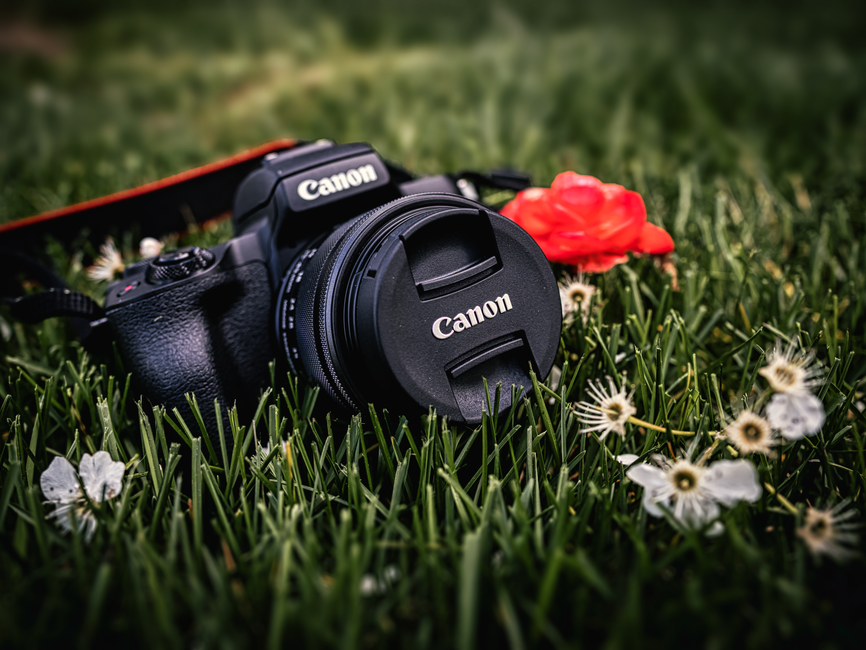
Keeping the EOS 80D’s firmware up‑to‑date guarantees reliable operation and unlocks new features․ Canon publishes updates on its official website; the latest binary file and release notes are available for download․ To update, connect the camera to a PC with the EOS Utility, choose “Firmware Update,” and follow the on‑screen prompts․ Ensure the battery is fully charged or use an AC adapter to prevent power loss during the process․ The camera temporarily stores the firmware image on its internal memory, so a clean SD card with sufficient free space is recommended․ After the update completes, the camera reboots and displays the new firmware version in the “Firmware” menu․ It is wise to back up all images and custom settings before updating, as the procedure may reset certain functions to factory defaults․ Routine maintenance includes checking the LCD for error messages, cleaning the sensor with a proper kit, and inspecting the lens mount for dust․ Firmware updates can improve autofocus performance, add shooting modes, or fix bugs reported by users․ If the update fails, the EOS Utility will display an error code; refer to Canon’s support portal for troubleshooting steps․ Resetting the camera to factory settings via the “Reset” menu can resolve many conflicts․ Finally, keep a record of the firmware version and update history for future reference, especially when troubleshooting or selling the camera․ This practice ensures the 80D remains dependable and fully functional throughout its lifespan․
Warranty and Support Resources
The Canon EOS 80D is covered by a standard limited warranty that protects against manufacturing defects for a specified period from the date of purchase․ The warranty period varies by region but typically spans one year for most markets, with some countries offering an extended two‑year coverage․ Canon’s warranty does not cover damage caused by misuse, accidental impact, or environmental factors such as moisture or extreme temperatures․ To claim warranty service, the camera must be returned to an authorized Canon service center or a certified repair facility․ Canon provides a dedicated support portal where users can register their product, access user manuals, download firmware updates, and submit service requests․ The portal also hosts a knowledge base with troubleshooting articles, FAQs, and user forums where experienced photographers share tips and solutions․ For urgent assistance, Canon offers a phone support line that connects customers with technical specialists who can guide them through diagnostic steps or arrange a repair appointment․ In addition, Canon’s official website hosts a list of authorized service centers worldwide, complete with addresses, contact details, and operating hours․ Users can locate the nearest center by entering their postal code, or selecting their country from a drop‑down menu․ When sending the camera for repair, it is advisable to use a tracked shipping service and to include a copy of the original purchase receipt, warranty